Allergies are one of the most common health conditions affecting children. In fact, according to the American College of Allergy, Asthma, and Immunology (ACAAI), approximately 40% of children suffer from some form of allergic reaction. From sneezing and coughing to more severe reactions, allergies can disrupt daily life and impact a child’s overall well-being. At Premium Healthcare, we understand how important it is to recognize the symptoms, identify triggers, and provide effective treatment for children suffering from allergies.
In this blog post, we’ll explore how allergies can affect children, common allergens, symptoms to watch out for, and available treatment options to ensure your little ones stay healthy and happy.
1. What Are Allergies in Children?
An allergy occurs when a child’s immune system mistakenly identifies a harmless substance—like pollen, dust, or food—as a harmful pathogen. In response, the body produces an antibody called immunoglobulin E (IgE), which triggers a variety of symptoms ranging from mild to severe. The immune system’s overreaction can lead to inflammation, itching, and other discomforts, affecting the child’s ability to go about their day-to-day activities.
Tip: If your child exhibits consistent symptoms such as sneezing, watery eyes, or skin rashes, it could be an allergy, and it’s worth seeking medical advice.
2. Common Allergens that Affect Children
There are many allergens that can affect children, with some being seasonal and others present year-round. Some of the most common allergens include:
- Pollen: Seasonal allergies, also known as hay fever, are triggered by pollen from trees, grasses, or weeds. These allergies typically flare up during certain times of the year, especially spring and fall.
- Dust Mites: These tiny creatures are found in bedding, carpets, and furniture and are a common indoor allergen.
- Pet Dander: Proteins found in the skin flakes, saliva, and urine of pets can trigger allergic reactions in sensitive children.
- Food Allergies: Common food allergens include milk, eggs, peanuts, tree nuts, soy, wheat, and fish.
- Mold: Mold spores in damp areas like bathrooms, basements, and kitchens can trigger allergies.
- Insect Stings: Bee stings and other insect bites can cause allergic reactions, sometimes leading to anaphylaxis in extreme cases.
Tip: If your child suffers from frequent or unexplained symptoms, tracking potential allergens and consulting an allergist can help identify the cause.
3. Symptoms of Allergies in Children
Allergic reactions in children can vary depending on the type of allergen. Common allergy symptoms to watch out for include:
- Respiratory Symptoms: Sneezing, nasal congestion, runny nose, wheezing, coughing, or difficulty breathing.
- Skin Reactions: Eczema, hives, rashes, or itching, especially around the face, arms, or legs.
- Gastrointestinal Symptoms: Nausea, vomiting, diarrhea, or stomach pain (more common with food allergies).
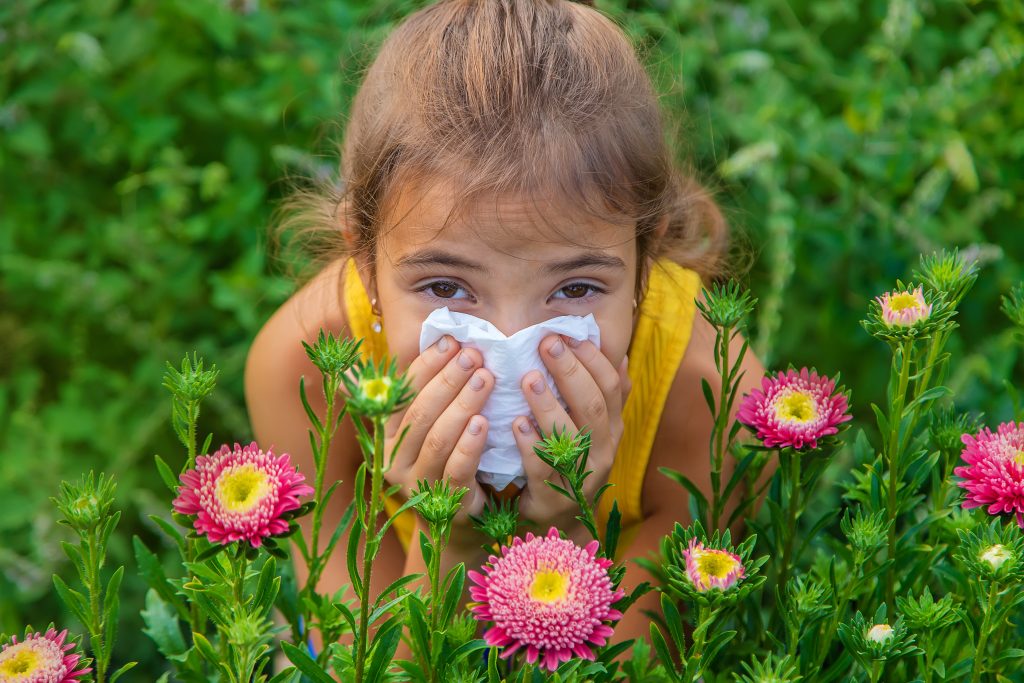
- Eye Symptoms: Red, itchy, watery eyes, commonly seen in children with hay fever.
- Severe Symptoms: In rare cases, allergies can lead to anaphylaxis, a life-threatening condition that causes swelling of the throat, difficulty breathing, and a drop in blood pressure.
Tip: If you notice your child is consistently showing allergy symptoms, it’s essential to consult a pediatrician or allergist for proper diagnosis and management.
4. How Allergies Impact Children’s Health
Allergies can affect a child’s quality of life in several ways. Here are a few areas where allergies can have an impact:
- School Performance: Chronic allergy symptoms, such as nasal congestion and fatigue, can make it difficult for children to focus in class or participate in physical activities.
- Sleep Disruptions: Allergies can cause discomfort that disrupts sleep, leading to irritability, difficulty concentrating, and poor mood.
- Social Interactions: Children with visible allergic reactions like rashes, swollen eyes, or constant sneezing may feel self-conscious and may avoid certain social situations.
- Increased Risk of Asthma: Allergies, particularly to airborne allergens like dust and pollen, can increase the risk of developing asthma. Asthma and allergies often go hand in hand, making it important to manage both conditions together.
Tip: Managing allergies early and effectively can help prevent long-term complications and improve your child’s overall health and well-being.
5. How to Treat and Manage Allergies in Children
There are several approaches to treating and managing allergies in children, depending on the severity and type of allergy. Here are some options to consider:
1. Avoiding Triggers
The first step in managing allergies is identifying and minimizing exposure to allergens. Keep your home clean, use allergen-proof bedding, and avoid pet dander by keeping pets out of certain areas, like the child’s bedroom. During peak pollen seasons, keep windows closed and use air purifiers.
2. Medications
Over-the-counter antihistamines, decongestants, and corticosteroid nasal sprays are commonly used to relieve allergy symptoms. For severe allergies, a doctor may recommend prescription medications or an epinephrine auto-injector for emergency situations (e.g., anaphylaxis).
3. Allergy Shots (Immunotherapy)
For children with persistent allergies that don’t respond to medications, allergy shots may be recommended. These shots gradually expose the immune system to small amounts of allergens to help the body build tolerance over time.
4. Food Allergy Management
If your child has food allergies, the best approach is to completely avoid the allergens. Read food labels carefully, and work with an allergist to develop a comprehensive food allergy action plan. In cases of severe food allergies, parents may need to carry an epinephrine injector for emergency use.
Tip: Speak with a pediatrician or allergist at Premium Healthcare to determine the most appropriate treatment plan for your child’s specific allergies.
6. When to Seek Professional Help
If you notice that your child’s allergy symptoms are persistent, severe, or worsening, it’s essential to seek medical advice. A healthcare professional can help confirm the diagnosis, identify specific allergens, and develop an effective treatment plan.
At Premium Healthcare, we specialize in pediatric care and offer comprehensive allergy testing and management to ensure your child gets the care they need. Our expert team of allergists and pediatricians is here to provide personalized treatment options tailored to your child’s unique health needs.
Protecting Your Child from Allergies
Allergies can significantly affect your child’s health, but with the right knowledge, prevention strategies, and medical care, you can help your child lead a healthy, active life. By understanding common allergens, recognizing the symptoms, and seeking professional treatment, you can ensure your child stays safe and comfortable.
If your child is struggling with allergies, don’t wait—contact Premium Healthcare today to schedule an appointment with our pediatric allergy specialists. Together, we can manage your child’s allergies and improve their quality of life.
Contact Premium Healthcare Today
Worried about your child’s allergies? Schedule an allergy consultation with our pediatric specialists at Premium Healthcare. Let us help you manage your child’s symptoms and improve their health.